The anatomy of an offsite that moves a company forward
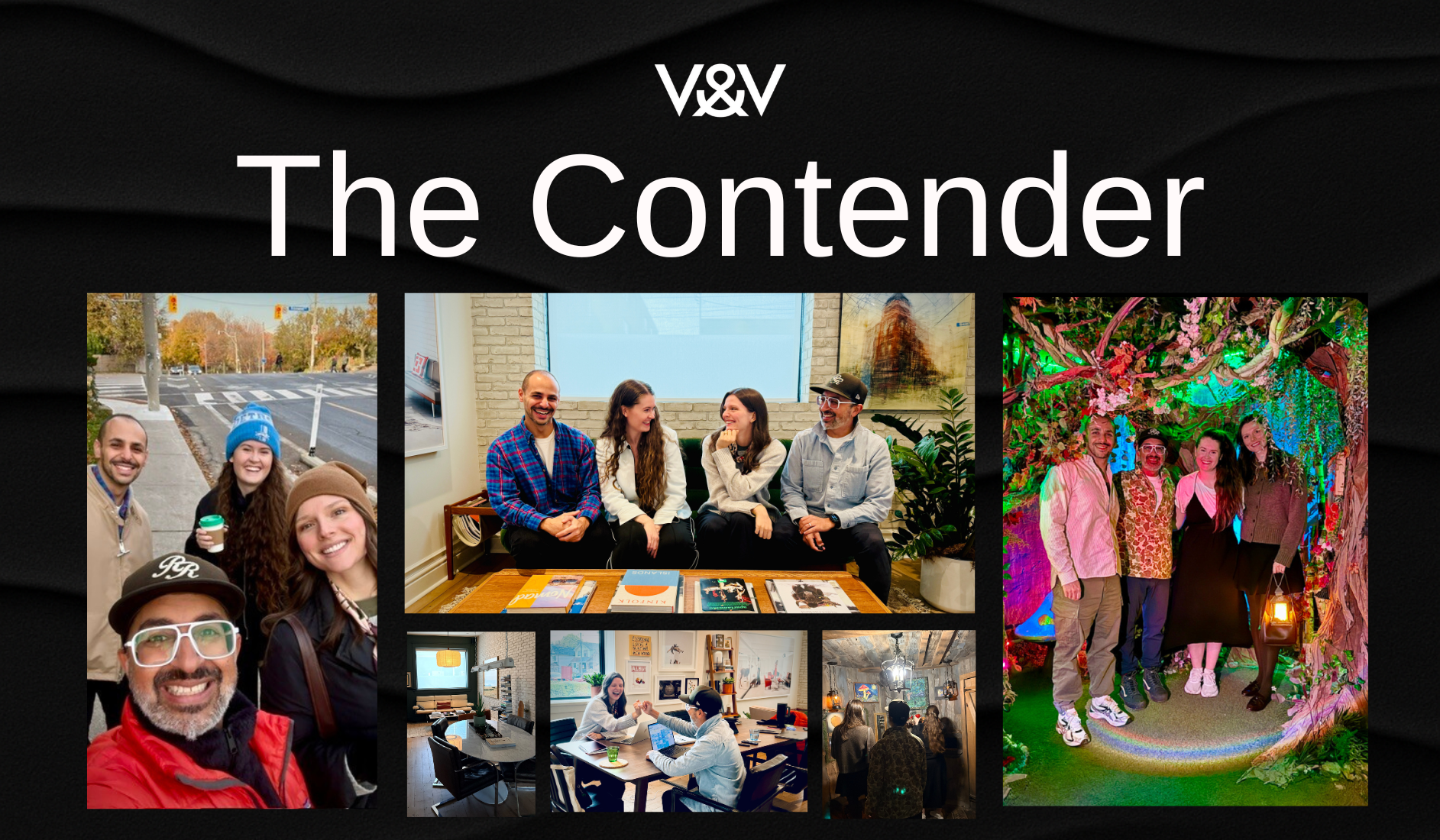
After two and a half years of building remotely, our leadership team met in Toronto for our first full offsite. It was intentional, human, and productive in a way that only happens when people are fully present. The value came from the quality of conversation and the clarity it created about how we want to think, collaborate, and lead in 2026.
Below are the practices that shaped the offsite and may help you design one that produces meaningful outcomes rather than simply gathering people in a room.
Before the Offsite
1. Clarify the frame before you meet
Our purpose was direct and forward facing. Refine our positioning. Formalize an insight engine to strengthen our advisory perspective. Advance a new brand we are incubating. Define our 2026 priorities. Align on ownership and success measures.
Clarity at this level meant every discussion had a clear strategic outcome and no time was spent on topics that did not move the business forward.
2. Choose what truly requires presence
Some conversations carry more weight when handled together. Two were especially well suited to meeting in person.
• A thoughtful examination of our external voice and how to align it more closely with the grounded, earnest culture our clients experience.
• Advancing the internal brand we are incubating by working through tone, purpose, and early creative principles in real time.
These conversations benefited from nuance, context, and the ability to challenge ideas without constraints.
During the Offsite
3. Begin with intentions, not updates
Each person articulated how they intended to show up and what they needed to leave with. It set expectations clearly, encouraged candor, and created a shared sense of accountability.
4. Keep the structure clear while allowing depth where it matters
One discussion needed far more space than anticipated. The term Challenger Brand has become so broadly used across the industry that it has lost distinction. We spent time refining how we articulate our own perspective so it stands apart. The conversation reshaped our language and sharpened our focus.
The lesson. A valuable discussion deserves room to unfold. A drifting one deserves to be closed.
5. Replace presentations with collaborative creation
We built together rather than presenting to one another.
Refining our positioning collaboratively made the work stronger and faster. Shaping the insight engine and the internal brand in shared documents allowed ideas to evolve through contribution rather than approval.
6. Use social time to deepen trust
Our dinners created connection that strengthened the next day’s work. We used prompts that opened thoughtful, surprising conversations, like:
• What tradition or ritual have you created for yourself, and why does it matter
• What decision are you grateful you did not make
These questions revealed context that improved empathy, alignment, and the quality of our collective thinking.
[[newsletter]]
After the Offsite
7. Capture the strategy within forty eight hours
We distilled the entire offsite into a single page that captured our principles, priorities, actions, and metrics. Capturing it while the conversations were fresh ensured precision and turned alignment into motion.
Closing Reflection
The offsite reinforced something important. Teams think better when time is designed with intention. The success was not in what we planned. It was in the way we worked together and the clarity that followed.
If you are preparing for your own offsite, here is the question that opened our most meaningful conversation.
What assumption about how we operate no longer serves us.
It created the honesty we needed. It may do the same for you.